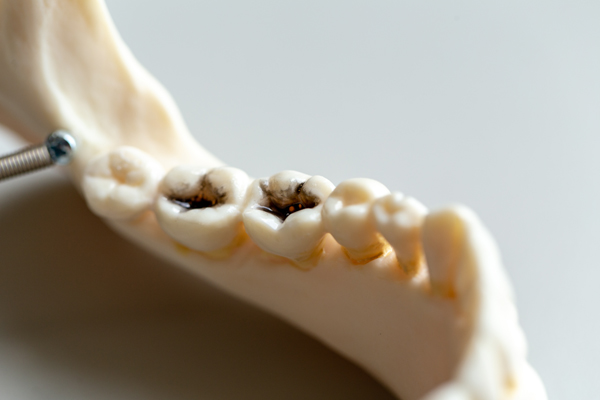
A root canal is one of the most effective treatments for saving a natural tooth and preserving oral health. While they have a negative reputation for being painful, this is no longer the case with modern pain management techniques. General dentists prioritize patient comfort during and after a root canal. Understanding the root canal process and what to expect afterward can help reduce worry and support a healthy recovery.
The root canal procedure
A root canal removes the infected pulp tissue from inside the tooth. The pulp, which contains nerves and blood vessels, can become inflamed or infected due to deep cavities, cracks, repeated dental procedures, or dental trauma. Once this occurs, the pulp cannot heal on its own and must be removed to prevent further complications. Thus, a general dentist will use dental X-rays to identify a deep infection and confirm the need for a root canal.
To begin root canal therapy, the dentist applies local anesthesia to numb the area, ensuring the procedure is as comfortable as possible. Once the area is fully numb, they will make a small opening in the tooth to reach its pulp chamber and root canals. Next, the dentist removes the infected pulp and cleans, shapes, and fills the tooth. The dental team then covers the opening with a temporary or permanent filling. The dentist will likely recommend a dental crown to restore the tooth’s full function and appearance.
Root canals and pain
Root canals are constantly associated with pain. However, the procedure itself is usually no more uncomfortable than receiving a dental filling or crown. The pain that patients often attribute to root canals typically stems from the infection present before treatment, not the procedure itself. Once the dentist removes the affected tissue and disinfects the canal, the patient typically feels immediate relief from the discomfort they were feeling before the procedure.
General dentists also rely on advanced tools and techniques that prioritize comfort throughout root canal therapy, making the experience more manageable. As previously mentioned, this can involve the use of local anesthesia to numb the area. It is normal to feel slight pressure or vibrations as the dentist completes the procedure, but they should not experience sharp pain.
Managing pain after a root canal
Mild sensitivity or discomfort is common after root canal therapy and can typically be managed with over-the-counter pain relievers. In order to protect the tooth, patients should avoid chewing on the treated side until the dentist places the permanent restoration. Additionally, gentle brushing, salt water rinses, and avoiding hard foods support healing and reduce irritation. If the dentist prescribes antibiotics, the patient will need to complete the full course to prevent postoperative infection and promote a smooth recovery.
Root canals make for a more comfortable smile
Although root canals have a poor reputation for being painful, they relieve pain in the long run. This is because once the inflamed or infected tissue is removed, the pressure, swelling, and sensitivity that caused the discomfort are resolved. Learn more in an appointment with the Weiss Advanced Dentistry PLLC team at our Southington office.
Request an appointment here: https://www.southingtonsmiles.com or call Weiss Advanced Dentistry PLLC at (860) 406-3181 for an appointment in our Southington office.
Check out what others are saying about our dental services on Yelp: Root Canal in Southington, CT.
Related Posts
Dentists use root canals to save teeth that are badly infected. Sometimes, due to damage or decay, the inner part of the tooth becomes infected. However, the tooth may not have to be pulled, thanks to the root canal procedure. This article takes a closer look at this common treatment and three main signs you…
A broken or lost restoration can cause unexpected pain, stress, and difficulty eating or speaking, which is why many people contact an emergency dentist for quick relief. Whether a crown has fallen out or a filling has fractured, prompt attention helps prevent further damage, infection, or discomfort. Seeking help right away protects the surrounding teeth…
Because you never know when an emergency situation is going to happen, understanding how to handle a dental emergency is important. It could even mean the difference between saving and losing a tooth.Finding out how to stay calm during a dental emergency is one of the most important things you can learn how to do. It…
An emergency dentist is indispensable. You can never know when a dental emergency, such as a broken tooth, will happen. Panic may overwhelm you, but it should not. One of the most common dental emergencies is a broken tooth. If you want to see an emergency dentist for your broken tooth, here are the things…